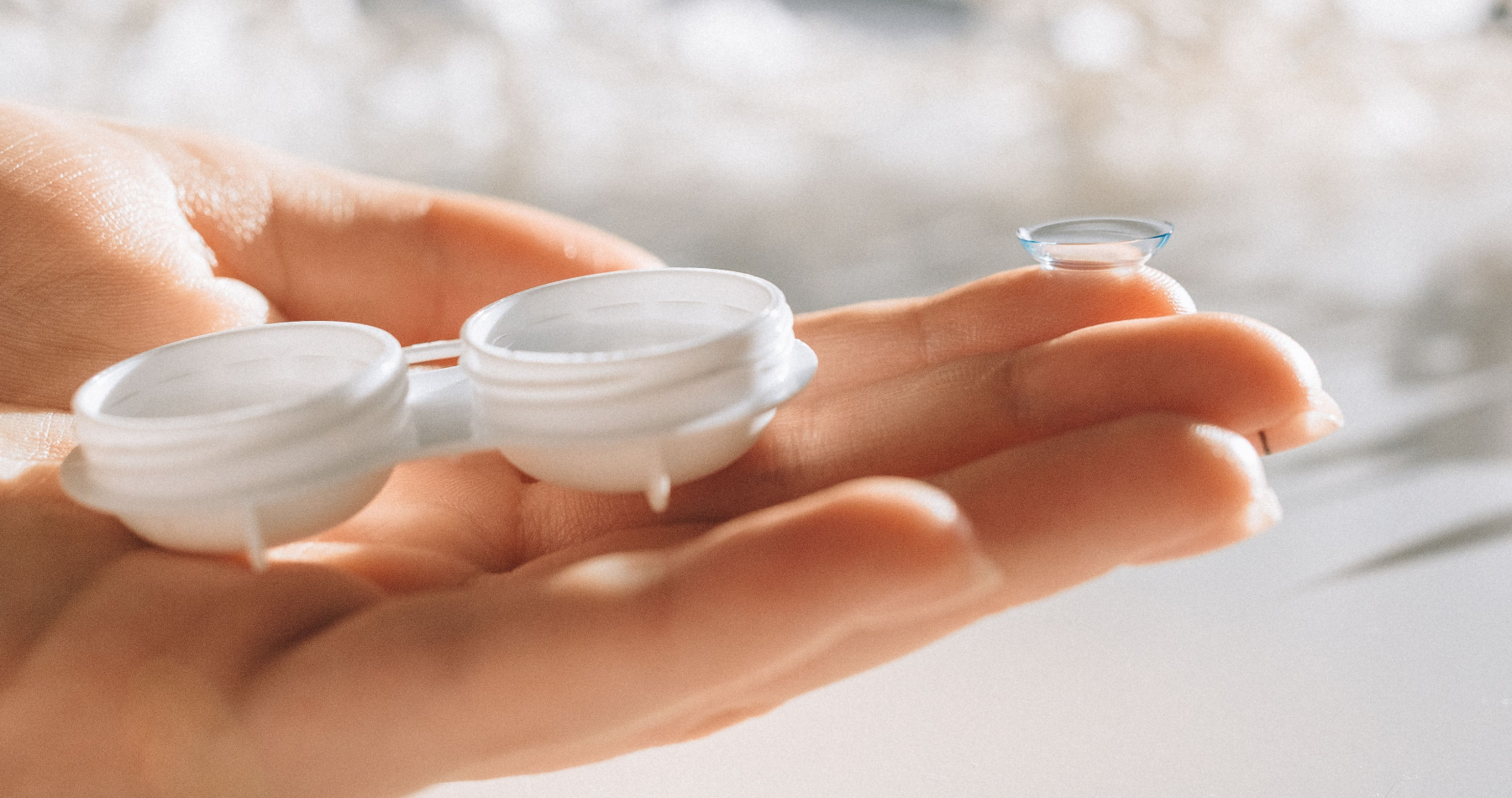
When it comes to choosing the right type of contact lenses, it’s not just about vision correction. Whether you're an on-the-go athlete, someone who wears contacts every single day, or an occasional wearer looking for a low-fuss option, the type of lens you choose makes a real difference in comfort, convenience, and long-term eye health.
"Many people don't realize that they are candidates for contact lenses,” says Dr. Priya Vohora, optometrist and founder of eye. Optometry. “There are options for correcting high astigmatism, or astigmatism and reading, and even ways to help with myopia control!
The two most common soft contact lens schedules are daily and monthly. While both correct the same refractive errors, they differ quite a bit in how you wear, care for, and replace them. At eye. Optometry, our optometrists have spent over a decade helping patients in Surrey-Cloverdale find their ideal fit. Here's what you need to know before making a decision.
Soft contact lenses are small, flexible discs made from plastic or silicone hydrogel that sit directly on the surface of the eye, floating on your natural tear film. They function similarly to eyeglass lenses to correct refractive errors, including myopia (nearsightedness), hyperopia (farsightedness), astigmatism, and presbyopia. Both bend incoming light to the precise degree your prescription requires, so objects appear sharp and clear.
Contact lenses are one of the most widely used medical devices in the world. They offer a comfortable, glasses-free alternative for people across a wide range of prescriptions and lifestyles. That said, not all soft lenses are created equal, and achieving the best vision and comfort starts with a proper fitting, especially since a prescription for contact lenses often differs from glasses. At eye. Optometry, every contact lens consultation begins with a comprehensive eye exam to confirm your current prescription and rule out any conditions that could affect lens wear, such as dry eye disease or irregular cornea shape. We also carry specialty options including scleral lenses, rigid gas-permeable (RGP) lenses, and orthokeratology lenses for patients whose needs go beyond standard soft lens options.
Daily contact lenses are single-use: you open a fresh pair in the morning and dispose of them at the end of the day. No cleaning, storing or contact solution required.
This makes them the most hygienic option available. Because each pair is never reused, there's no opportunity for protein deposits, allergens, or bacteria to accumulate on the lens surface, significantly lowering the risk of eye infections and irritation. For anyone prone to seasonal allergies or dry eyes, this is a meaningful advantage.
Dailies are also the most convenient choice for irregular wearers. For those who only reach for contacts on weekends, during travel, or for sports, wearing dailies means you don't need to worry about a lens that's been sitting in solution for weeks between uses.
On the cost side, daily lenses carry a higher upfront price per box. However, since you won't need to purchase contact lens solution, lens cases, or enzymatic cleaners, the total ongoing cost in the long run may be more comparable to monthlies than it might appear at first glance, especially for part-time wearers.
Monthly contact lenses are designed to be worn, cleaned, and reused for up to 30 days before being replaced. If properly cared for, one pair covers an entire month of wear, making them the most economical option on a per-lens basis.
The trade-off is that they require a consistent daily care routine. Every night, lenses need to be removed, thoroughly disinfected in contact solution, and stored in a clean case. Skipping this step even once allows protein deposits and microbes to build up on the lens surface, increasing the risk of infections, cloudy vision, and eye irritation.
It's also critical to stick to the 30-day replacement schedule. Wearing monthly lenses beyond their intended lifespan causes the lens material to degrade, which can restrict oxygen flow to the cornea. Over time, this can lead to corneal swelling, infection, and in severe cases, lasting vision damage.
Whether you're still weighing your options or just want a quick reference, the comparison below breaks down the key differences between daily and monthly contact lenses at a glance.
The honest answer: it depends on how often you wear contacts.
If you wear contacts intermittently, whether it’s for evenings out, sport, travel, or a few days a week, daily lenses are almost always the better call. Reusing a monthly lens after days of sitting in solution introduces unnecessary risk, and the convenience of a fresh daily lens is difficult to beat.
If contacts are a core part of your daily routine and you're committed to nightly cleaning, monthly lenses offer real savings and work just as well when properly maintained.
There are also factors beyond frequency that matter: your tear production, whether you have dry eye disease, the shape of your cornea, and whether you have astigmatism can all influence which lens type (and which specific product) will be most comfortable for you. This is exactly what a professional contact lens fitting is designed to assess.
At eye. Optometry, we take all the guesswork out of finding the perfect fit. Our optometrists will assess your eyes, walk you through your options, and make sure your lenses are fitted correctly before you leave our clinic.
Regardless of the type of contact lenses you wear, a few hygiene habits apply universally:
Never wear lenses beyond their recommended replacement period. Even if a monthly lens looks and feels fine on day 35, the material of the lens increasingly degrades with prolonged use, blocking oxygen flow to the cornea. This could lead to swelling, infections or in severe cases, vision loss.
Keep contacts out of water. This includes showers, swimming pools, hot tubs, and lakes. Harmful microbes and parasites can get trapped underneath your lenses, which act like sponges when exposed to water. They absorb fluid, swelling and sticking to your cornea, tightly trapping the bacteria against your eye. If your lenses come into contact with water, remove and discard them immediately.
Don't sleep in your lenses unless they are specifically prescribed for overnight wear. When your eyes are closed for extended periods, oxygen flow to the cornea drops significantly. Without the mechanical flushing of blinking, any bacteria or microbes trapped under the lens remain in close contact with your eye, increasing the risks of painful infections and, in some cases, corneal scarring.
Always wash and dry your hands before handling your lenses, and replace your lens case every one to three months.
If you experience sudden redness, pain, blurred vision, or the sensation of something stuck in your eye, remove your lenses immediately. These can be signs of a contact lens-related complication that requires prompt attention. At eye. Optometry, we offer emergency eye services for cases just like these. Don’t wait to seek help.
Experiencing dryness while wearing contact lenses is normal, especially when you’re first getting used to lenses. Contact lenses sit on your tear film and can disrupt how moisture is distributed across the eye's surface. Contact-safe, preservative free, lubricating drops are a good short-term fix, but make sure to look for drops specifically labeled for use with contact lenses, as standard eye drops can damage or deposit on some lens materials. If dryness persists, it's worth discussing with your optometrist, as the issue may be the lens material itself. eye. Optometry, we also specialize in dry eye treatment to assess whether an underlying condition is contributing to your discomfort.
Daily disposable lenses are generally the most suitable choice for sensitive eyes, since each fresh pair carries no accumulated deposits or allergens. Within daily lenses, silicone hydrogel materials tend to be the most breathable and comfortable option. With an appointment, our optometrists can better assess what’s driving your sensitivity and recommend a lens that addresses the specific cause.
Never use anything besides your designated contact lens solution to clean your lenses, especially tap water. Acanthamoeba, a common microbe in tap water, can contaminate your contact lenses and cause severe pain when the lenses are placed back into your eyes. The resulting infection is extremely difficult to treat.
Redness, blurry vision and tearing can all indicate a contact lens infection. In more severe cases, patients may experience persistent pain or a feeling that something is stuck in the eye. If you are experiencing any of these symptoms, remove your contact lenses immediately and consult a doctor.

Dr. Priya Vohora has been practicing as an optometrist for 2 decades. She graduated in 2006 from the University of Bradford in the United Kingdom and opened eye. Optometry in 2012, with the simple goal of delivering patient-centric vision care to the residents of Cloverdale and beyond. Dr. Vohora believes quality eye care is grounded in personalized treatment and specializes in myopia control and dry eye therapy. She leads the eye. Optometry team with a hands-on approach, overseeing disease diagnosis and treatment.


