Eye discomfort can disrupt your daily routine quickly, especially when accompanied by redness, swelling, or irritation. Pink eye and styes are among the most common ocular conditions, affecting millions of adults and children each year.
Knowing which eye infection remedies are safe, which are ineffective, and when to seek professional care can prevent complications and accelerate your recovery.
Pink eye, medically known as conjunctivitis, occurs when the conjunctiva becomes inflamed. The conjunctiva is the thin, clear tissue lining the inside of your eyelid and covering the white part of your eyeball (the sclera). When small blood vessels in this membrane become swollen and irritated, they make the eye appear pink or red.
Pink eye is highly prevalent among school-aged children, but it routinely affects adults as well. Identifying the underlying cause is essential because treatments vary depending on the type of inflammation.
Common Pink Eye Symptoms
Recognizing symptoms early helps you choose the right eye infection remedies and practice proper hygiene before the condition spreads. Classic signs include:
A stye, or hordeolum, is a tender red bump that forms near the edge of the eyelid. They are most frequently caused by bacterial infections and can develop on the outside of the eyelid (external hordeolum) or inside the eyelid (internal hordeolum).
People with underlying eyelid conditions like blepharitis (chronic inflammation of the eyelids), rosacea, or dry eye syndrome are at a higher risk of developing recurrent styes. If you frequently experience dry, irritated eyes, explore professional dry eye treatments at eye. Optometry to treat gland dysfunction before it leads to painful styes.
A stye usually develops quickly over a day or two and presents with distinct localized symptoms:
While both conditions cause eye redness and discomfort, their location, appearance, and causes differ significantly.
When dealing with mild symptoms, certain supportive home remedies can ease discomfort and promote natural healing. Always wash your hands thoroughly with soap and warm water before touching the area around your eyes.
Warm compresses are among the most effective at-home remedies for styes and mild eyelid irritation. Heat increases blood circulation to the area and helps loosen hardened oils blocking the eyelid glands.
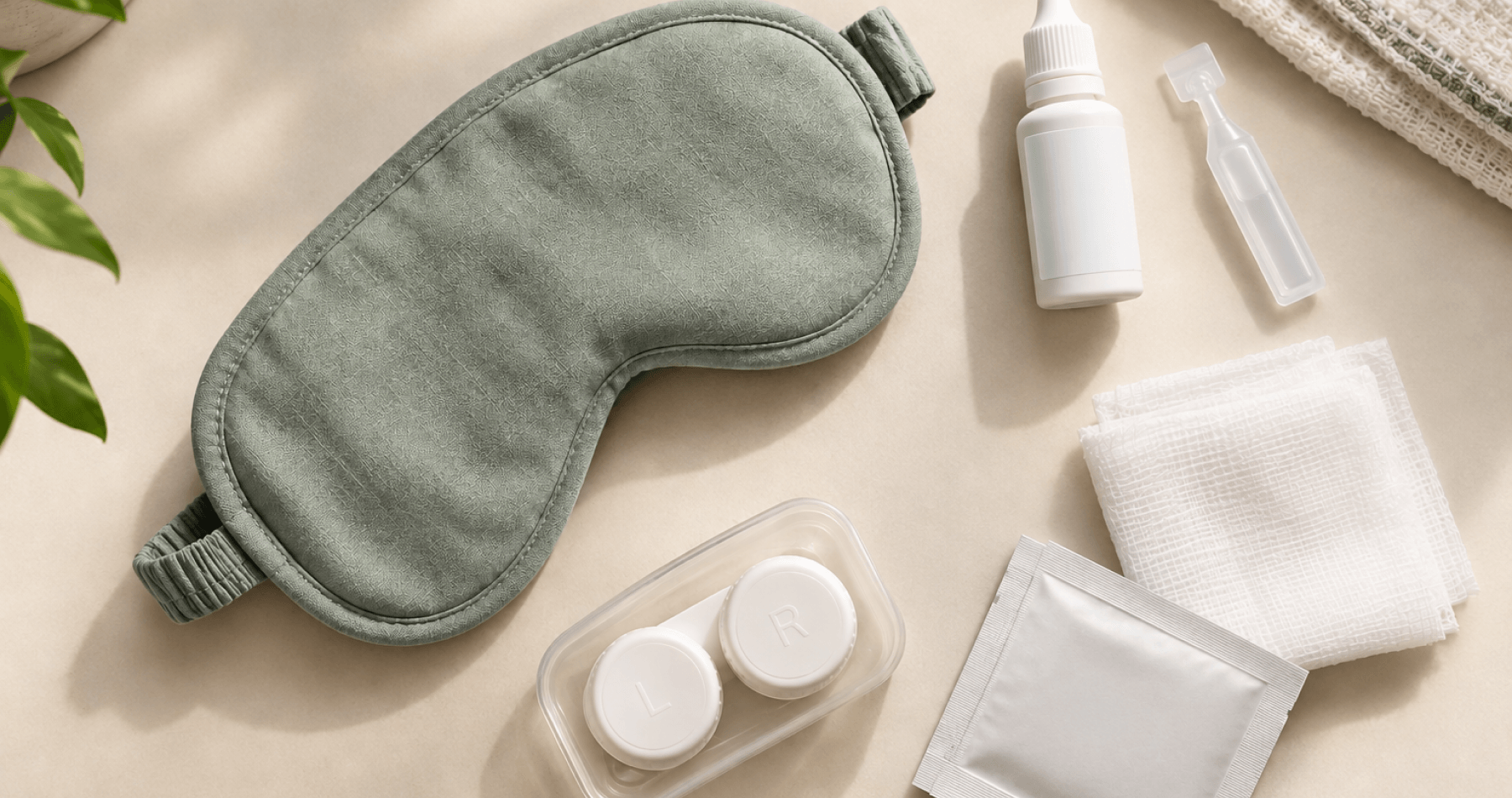
Dr. Priya Vohora, optometrist and founder of eye. Optometry, recommends using a microwaveable eyemask. “Washcloths don’t stay hot for long enough, so it’s best to use an eyemask that will maintain consistent heat of approximately 40°C for at least 5 minutes. Make sure to clean up any excretion immediately with an antimicrobial wipe to prevent bacteria from entering neighbouring glands and spreading the infection further.”
eye. Optometry carries a variety of over-the-counter products and eye masks. Browse the online selection or drop by the clinic and an eyecare professional will be happy to assist.
If your pink eye is caused by allergies or a viral infection, a cool, damp compress can soothe burning sensations and reduce eyelid puffiness. Apply a cool cloth over closed eyes for 5 to 10 minutes as needed for relief.
Preservative-free artificial tears help flush out irritants, allergens, and excess mucus. They provide moisture without causing chemical irritation. Avoid over-the-counter "redness-relief" drops that contain decongestants, as these can cause rebound redness once the medication wears off.
For chronic eyelid inflammation or recurrent styes, dedicated eyelid cleansers containing hypochlorous acid can eliminate harmful bacteria along the lash line. eye. Optometry offers gentle BlephaClean wipes with natural antimicrobial ingredients. If you are prone to recurring lid infections, consider specialized blepharitis management services to keep hair follicles and oil glands clear.
While home care can be effective in managing mild symptoms, self-diagnosis can be risky. Certain serious conditions, such as corneal ulcers or iritis, may first appear as common eye infections but can detrimentally threaten your long-term vision if left untreated.
Schedule a professional assessment if you experience any of the following warning signs:
If you notice rapid changes in your vision or acute pain, eye. Optometry provides dedicated eye emergencies care to diagnose the issue promptly and prescribe target therapies, such as prescription antibacterial drops or anti-inflammatory treatments.
All members of the family should wash their hands frequently. Dr. Vohora also advises replacing towels and pillowcases regularly and washing them on a hot cycle to prevent bacteria from breeding. Avoid touching the eyes, and discard old eye makeup.
The contagion period depends on the root cause. Bacterial pink eye can be spread once symptoms appear and remain contagious for up to 48 hours after beginning antibiotic treatment. Viral pink eye is usually contagious as long as the symptoms persist, which can be anywhere between 7 to 14 days. Allergic pink eye is not contagious.
Most styes heal on their own between 1 to 2 weeks. You may notice the stye swelling further during the first few days before eventually shrinking as it drains.