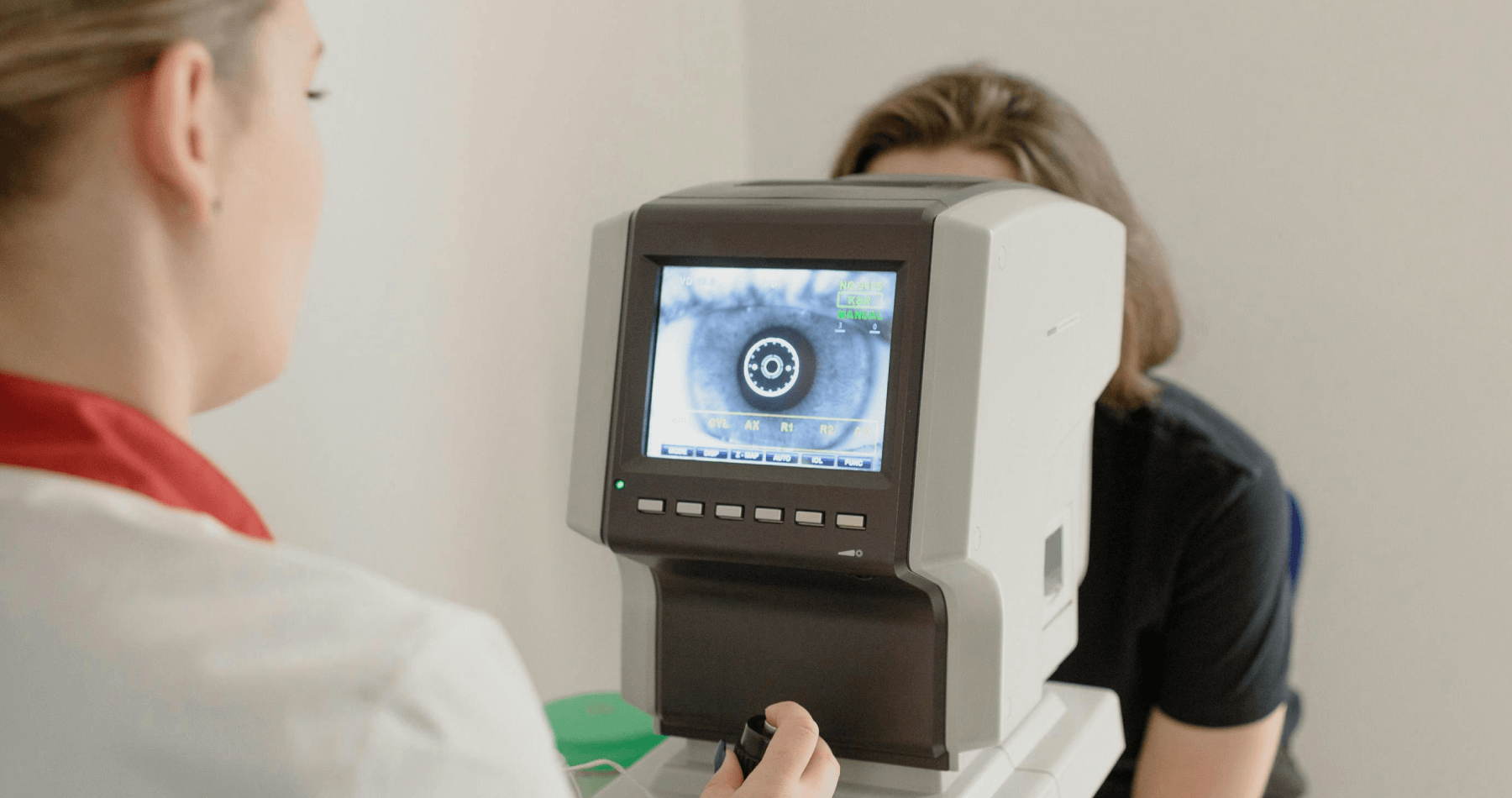
Many people associate needing an eye examination if vision is blurry. In fact a routine eye examination measures a lot more than just vision.
In reality, routine eye exams evaluate both vision clarity and overall eye health, helping detect early changes even when no symptoms are present. They assess not only how well you see, but how healthy your eyes are, how your visual system functions, and whether subtle changes may affect your comfort, productivity, or long-term eye health.
At eye. Optometry in Surrey, we emphasize routine eye care because many eye and vision changes develop gradually and without obvious symptoms. Regular exams allow issues to be identified early, often before they interfere with daily life.
Vision typically changes slowly. Because your eyes and brain adapt over time, small declines in clarity or focusing ability may go unnoticed.
You may begin to hold reading material further away, experience fatigue after screen use, or feel mild headaches by the end of the day. These changes are often dismissed as stress or lifestyle-related rather than vision related.
Routine eye exams allow your optometrist to detect small prescription shifts before they lead to long-term discomfort. Early detection often makes it much easier to adapt to corrections.
An eye exam is not just about how clearly you see. It is also an important tool for monitoring your eye health and detecting conditions that may not show symptoms right away.
During a comprehensive eye exam, your optometrist can:
Many serious eye conditions develop quietly. By the time the symptoms appear, damage may already be present. Routine eye exams help catch concerns early, when treatment options are most effective.
A vision prescription reflects how clearly you see at a specific moment. It does not fully explain how your eyes perform throughout the day.
Factors such as prolonged screen use, lighting conditions, posture, and fatigue all influence how your eyes focus and work together. Two people with the same prescription may experience very different levels of comfort.
At eye. Optometry, comprehensive exams include assessments of eye coordination, focusing ability, and visual efficiency. This level of detail helps ensure your glasses or contact lenses feel comfortable, natural, and supportive rather than something you are constantly adjusting to.
Screens are now part of nearly every aspect of daily life. Work, school communication, and entertainment all place demands on your visual system.
Extended screen use can contribute to:
Routine eye exams help identify digital eye strain early and allow your optometrist to recommend lens solutions that reduce discomfort. This may include specific lens designs, coatings, or habits that better support screen-heavy lifestyles.
Ignoring these symptoms often leads to worsening discomfort over time, even if vision seems “good enough.”
Some of the most serious eye conditions do not cause discomfort in their early stages.
Glaucoma, for example, often affects peripheral vision first and progresses gradually. Without routine monitoring, damage may go unnoticed until it becomes permanent.
Comprehensive eye exams include tests that evaluate internal eye structures and nerve health, allowing your optometrist to detect changes early, especially for those who have a family history of eye disease or health conditions.
Children may not recognize or communicate vision problems. Many assume their vision is normal, even if they struggle to see clearly.
Undiagnosed vision can affect learning, reading comprehension, and attention. Routine eye exams help ensure children’s visual systems are developing properly.
Because children’s eyes change rapidly, annual eye exams are typically recommended to monitor developmental progress.
Most adults are encouraged to have a comprehensive eye exam every one to two years depending on age, health, and visual needs.
Children and seniors are typically advised to book annual exams. Individuals with existing eye conditions, systemic health concerns, or persistent visual symptoms may require more frequent visits.
Your optometrist can recommend an exam schedule tailored to your situation.
Routine eye exams play an important role in maintaining clear vision, comfortable eye function, and long-term eye health. They provide insight into how your eyes are changing and help prevent issues before they intervene with your daily life.
At eye. Optometry, we take a comprehensive and personalized approach to eye care. Whether you are due for a routine checkup or have questions about your vision, our team is here to help.
Book your comprehensive eye exam today!
Many eye health issues develop without noticeable symptoms. Routine exams help detect changes early and protect long-term vision.
Most adults should have a comprehensive eye exam every one to two years. Your optometrist may recommend more frequent exams if you have vision changes, wear corrective lenses, or have underlying health conditions that affect the eyes. Children should generally have an eye exam every year. Regular exams help ensure proper visual development and can identify vision issues that may impact learning, reading, or attention in school.
Most comprehensive eye exams take between 30 and 60 minutes, depending on the tests required and your individual eye health needs.
Coverage varies depending on age, location, and insurance plan. Children and seniors often have coverage for routine eye exams. It is best to check with your provider or ask the clinic about coverage options.


